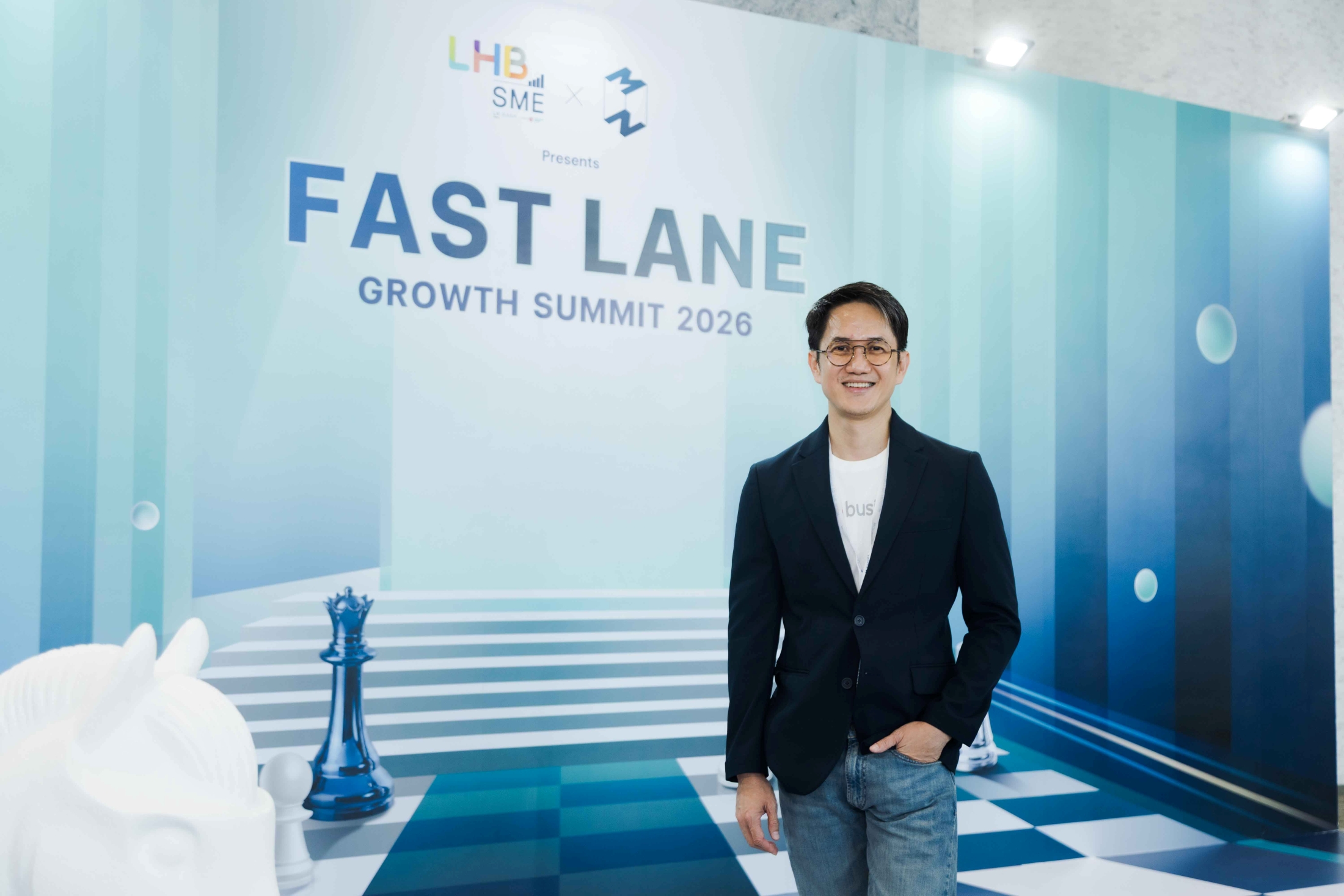



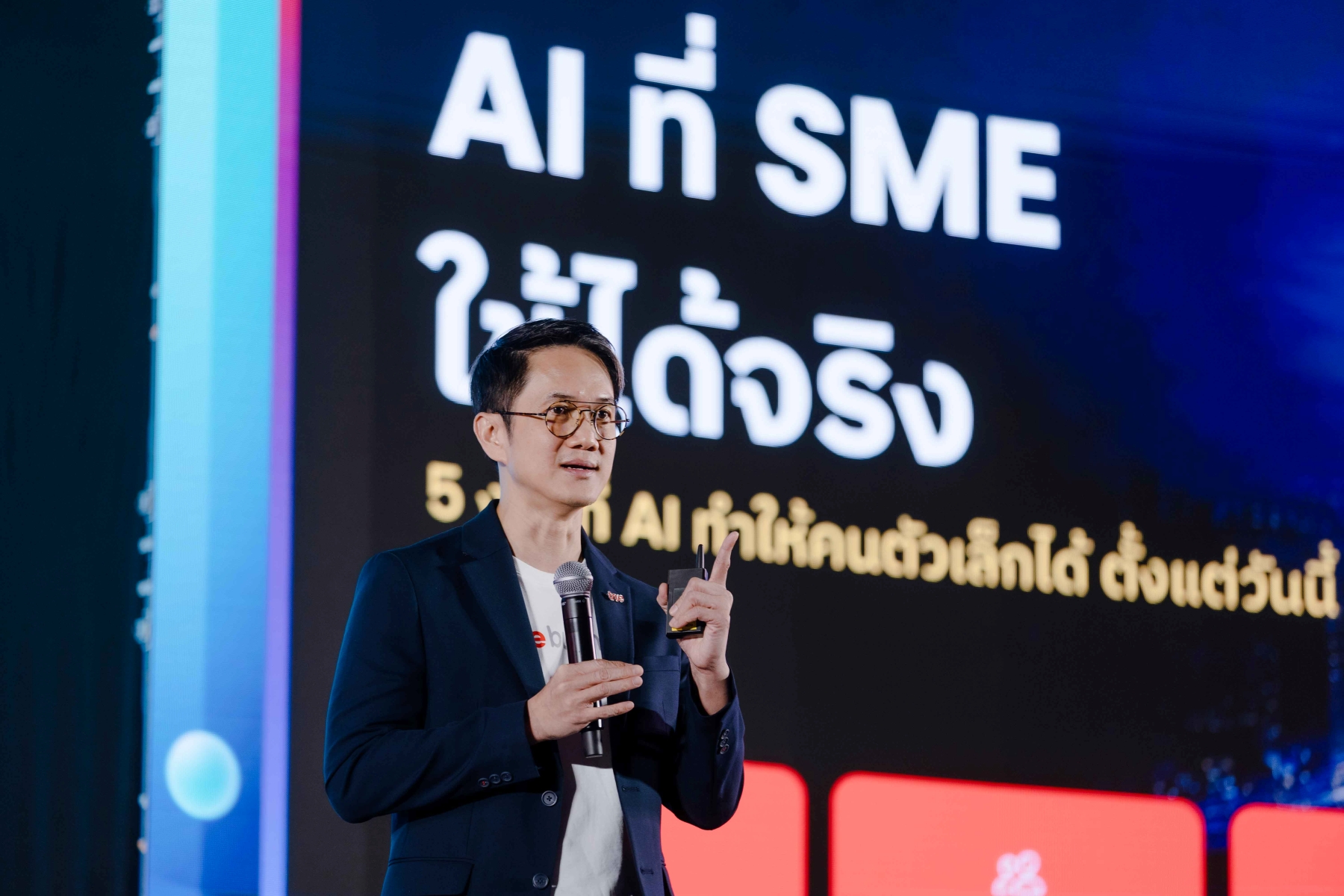

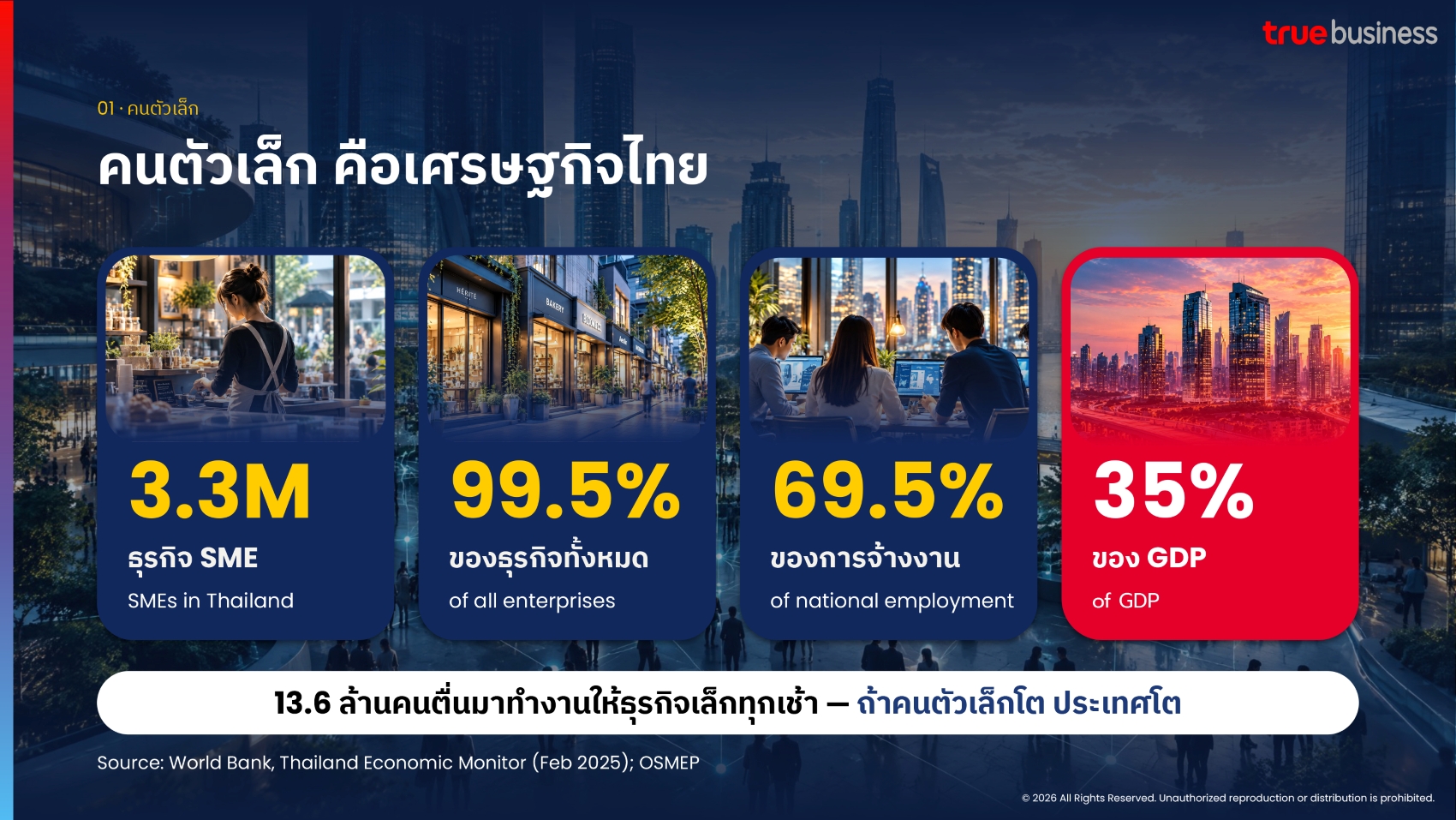
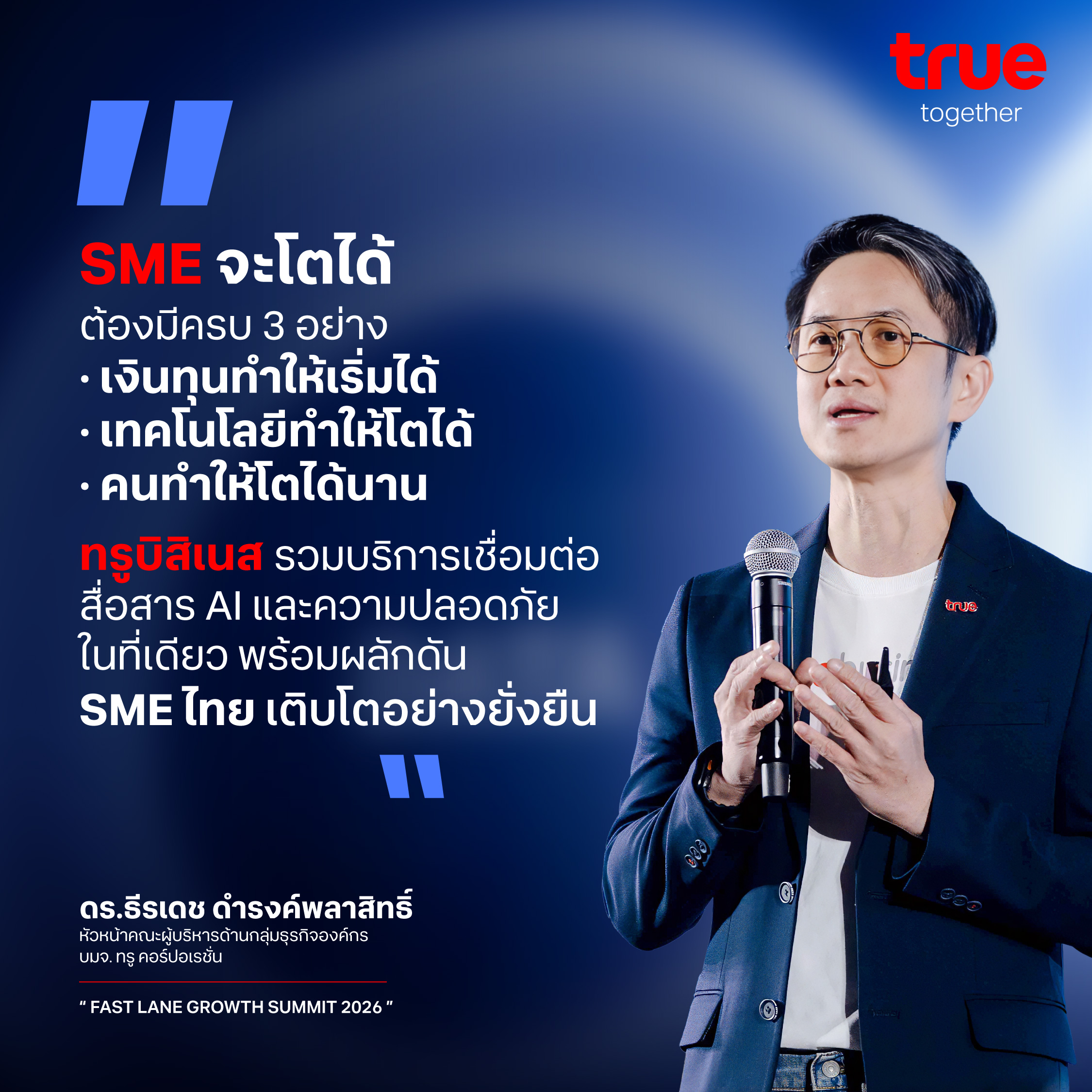
Bangkok, November 5, 2026 – How can the Thai economy chart its next trajectory?… Economic data shows that 69.5% of the country’s workforce is employed in the SME sector, while SMEs currently contribute only 35% of Gross Domestic Product (GDP). This gap has become a key structural challenge that must be addressed. Dr. Teeradet Dumrongbhalasitr, Chief Business Officer, True Corporation Plc., shared his perspective under the theme “Small Today. Growing with AI”, urging Thai SMEs to evolve AI transformation from using AI as a simple utility into a key driver of business growth and tangible outcomes. He delivered the keynote address, “AI-Powered SMEs: The Next Engine of Thailand’s Growth”, at the FAST LANE GROWTH SUMMIT 2026 held recently at Samyan Mitrtown.
Unlocking SME Growth Through AI: Turning the Productivity Gap into Opportunity
Thailand’s enterprise landscape comprises more than 3.3 million SMEs, accounting for 99.5% of all enterprises and employing 69.5% of the workforce, or nearly seven out of every ten workers of the nationwide labor pool. Despite their important role in driving the economy, SMEs collectively contribute only 35% of national GDP. “These figures highlight the opportunity to improve workforce productivity. By leveraging AI, businesses can increase productivity, generate more revenue, and create greater business value with existing or streamlined headcounts.”, said Dr. Teeradet.
He also highlighted the proven impact of AI adoption among Thai businesses. Survey on AI adoption in Thailand indicates that only 18–24% of SMEs have adopted AI enterprise-wide. In terms of the depth of AI use, most SMEs remain at a basic level, with 17% adopting AI for more complex use cases. Meanwhile, only 9% have achieved full-scale AI adoption. Yet this group has demonstrated measurable outcomes. Among SMEs with full-scale AI adoption, 84% reported productivity gains, 71% reported increased revenue, and 64% reported faster innovation timelines.
Introducing LBM (Large Behavior Model), Thailand’s First Consumer Digital Twin with 1,080° Data
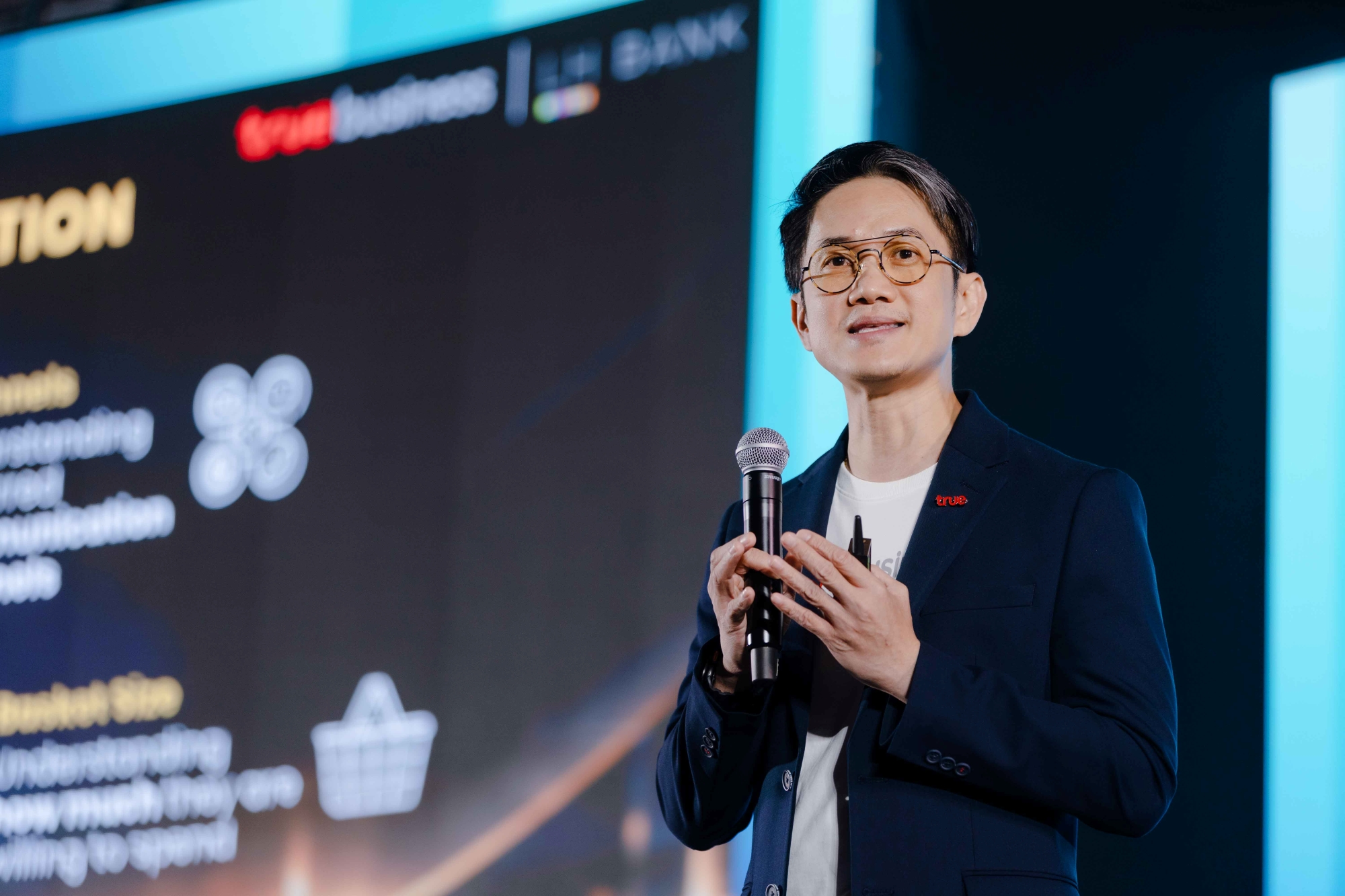
“Without human interaction, there is no data; without data, there is no AI”, Dr. Teeradet emphasized. Traditionally, businesses have relied on 360-degree internal data. Today, however, they must expand their perspective to 720-degree insights and ultimately to a 1,080-degree view of consumers. This broader understanding encompasses behavioral patterns, interests, demographics and life stage, basket size, communication channels, and spending behaviors, enabling businesses to make more precise decisions and communicate with customers more effectively. Businesses can gain deeper consumer insights through an AI Analytics Framework. In collaboration with True Corporation and EGG Digital, data from more than 55 million telecommunications subscribers and over 20 million retail consumers have been integrated under applicable legal and governance frameworks. This initiative led to the development of the LBM (Large Behavior Model), which powers Thailand’s first Consumer Digital Twin. The model simulates consumer decision-making, enabling businesses to test new product concepts more accurately before making investment decisions rather than relying solely on historical data. This helps reduce risk, strengthen business potential, and support Thailand’s transition from being a technology buyer to becoming a technology builder.
SME Growth Formula: Capital × Technology × People
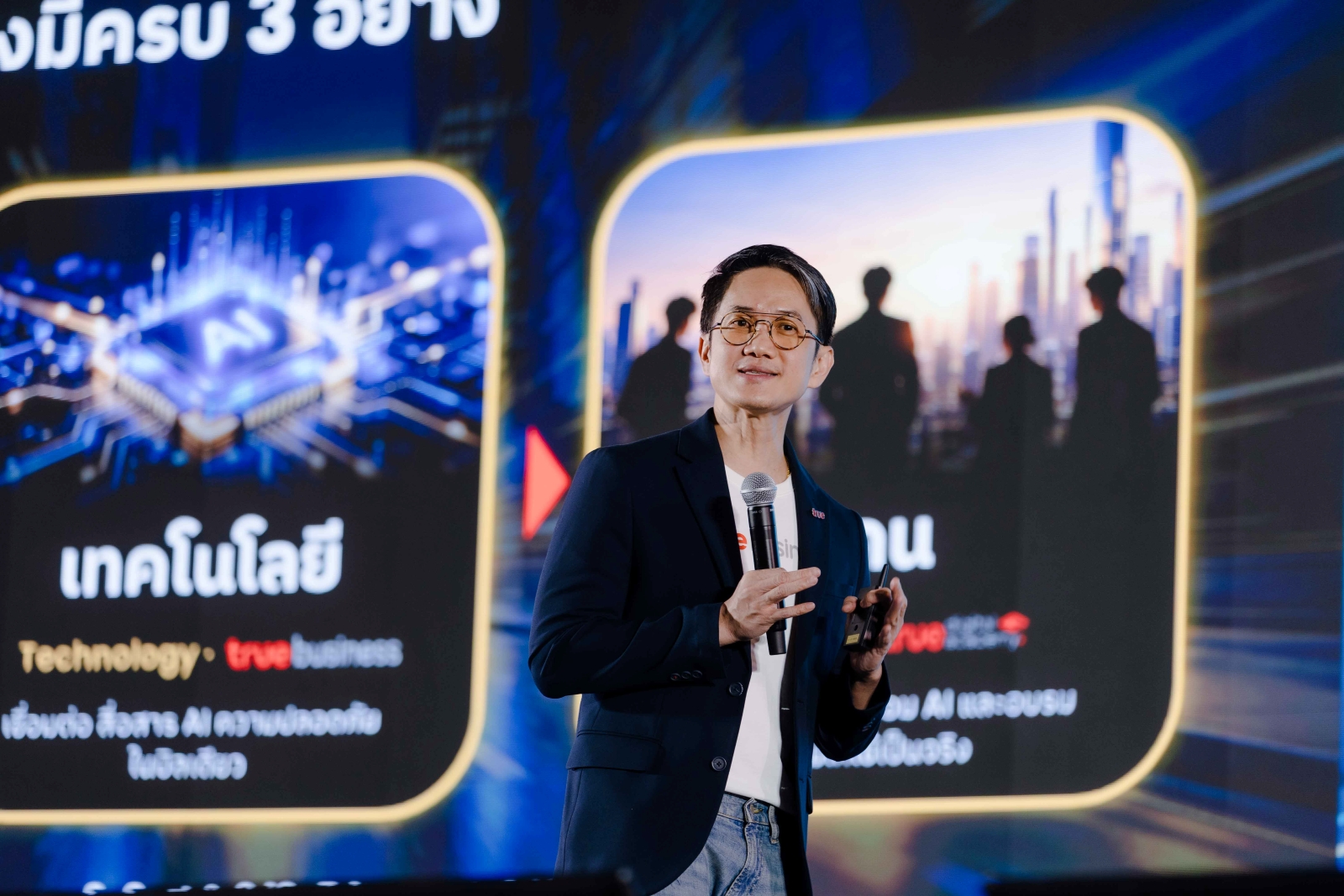
Dr. Teeradet outlined three key elements required to accelerate the growth of Thai SMEs:
- Capital — Access to funding and financing helps strengthen liquidity and support business expansion
- Technology — TrueBusiness provides end-to-end solutions designed for SMEs, bringing together a wide range of services and enterprise-grade support in one place. These solution packages cover connectivity, communications, AI applications, managed services, and cybersecurity, tailored to the needs of different business segments, including retail, food and beverage, sales, hospitality, and manufacturing.
- People — Digital upskilling and reskilling programs delivered through True Digital Academy help prepare workforces to effectively apply AI in real-world operations.
Accelerating Business Growth Through Practical AI Applications
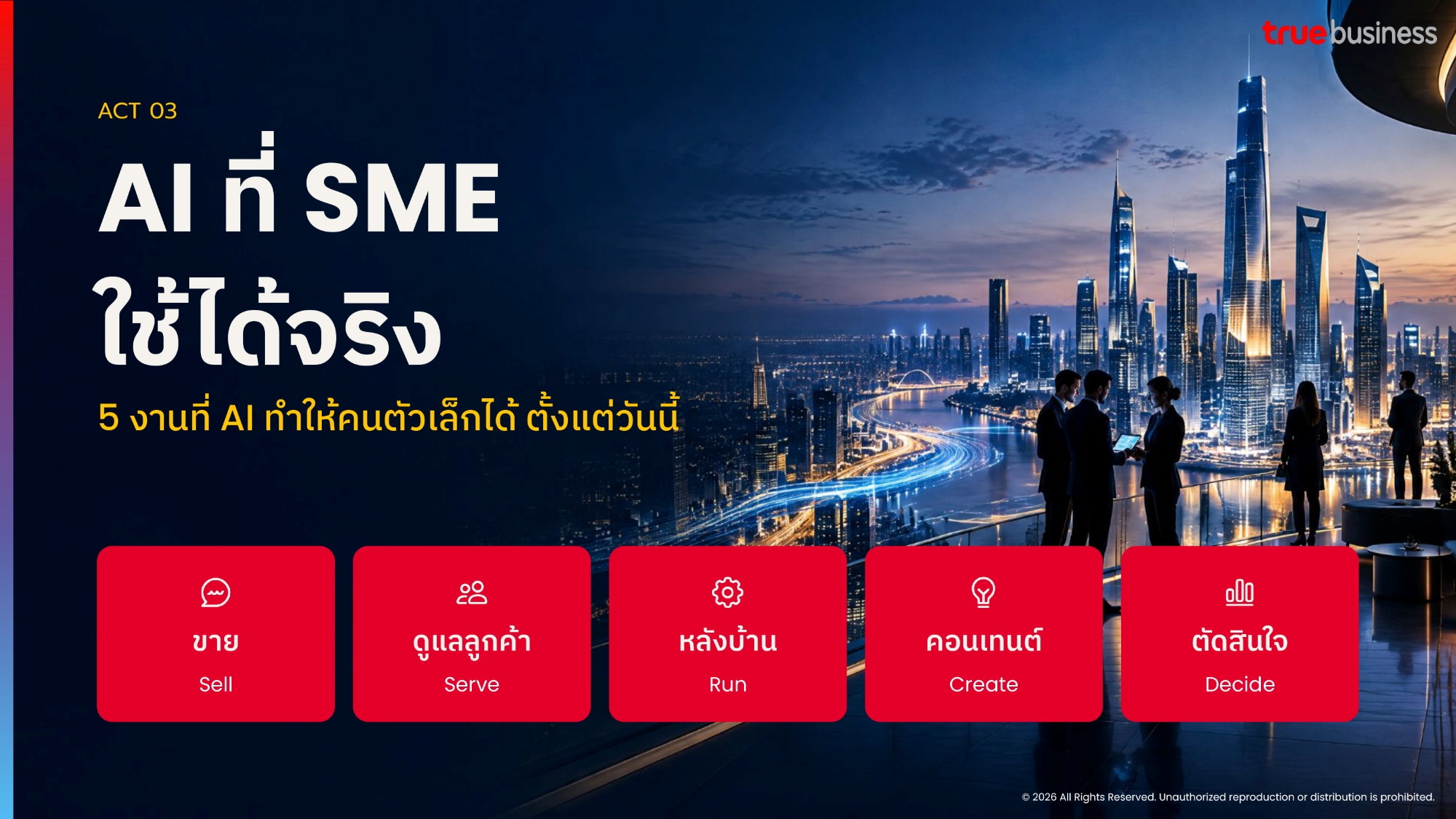
Dr. Teeradet pointed out five business functions where AI can be applied today, including sales, customer service, back-office operations, content creation, and decision-making, highlighting three key use cases:
- Chat Commerce — AI can respond to customer inquiries 24/7 via LINE OA, automatically convert conversations into purchases, and analyze customer behavior to enable personalized marketing, helping increase sales opportunities and repeat purchases.
- Automation — AI helps automate routine administrative and operational tasks, such as accounting, inventory management, and order processing. This reduces workload, minimizes errors, and improves efficiency.
- Content & Marketing — AI helps small businesses create content, plan campaigns, and analyze customer sentiment more quickly, reducing marketing costs and production time while improving both the quantity and quality of customer communications.
AI can also serve as a digital assistant working alongside business owners throughout the day. Its impact can be measured through key performance indicators such as response time, working hours saved, cost per order, revenue per employee, and repeat purchase rates, ensuring sustainable and measurable business growth.
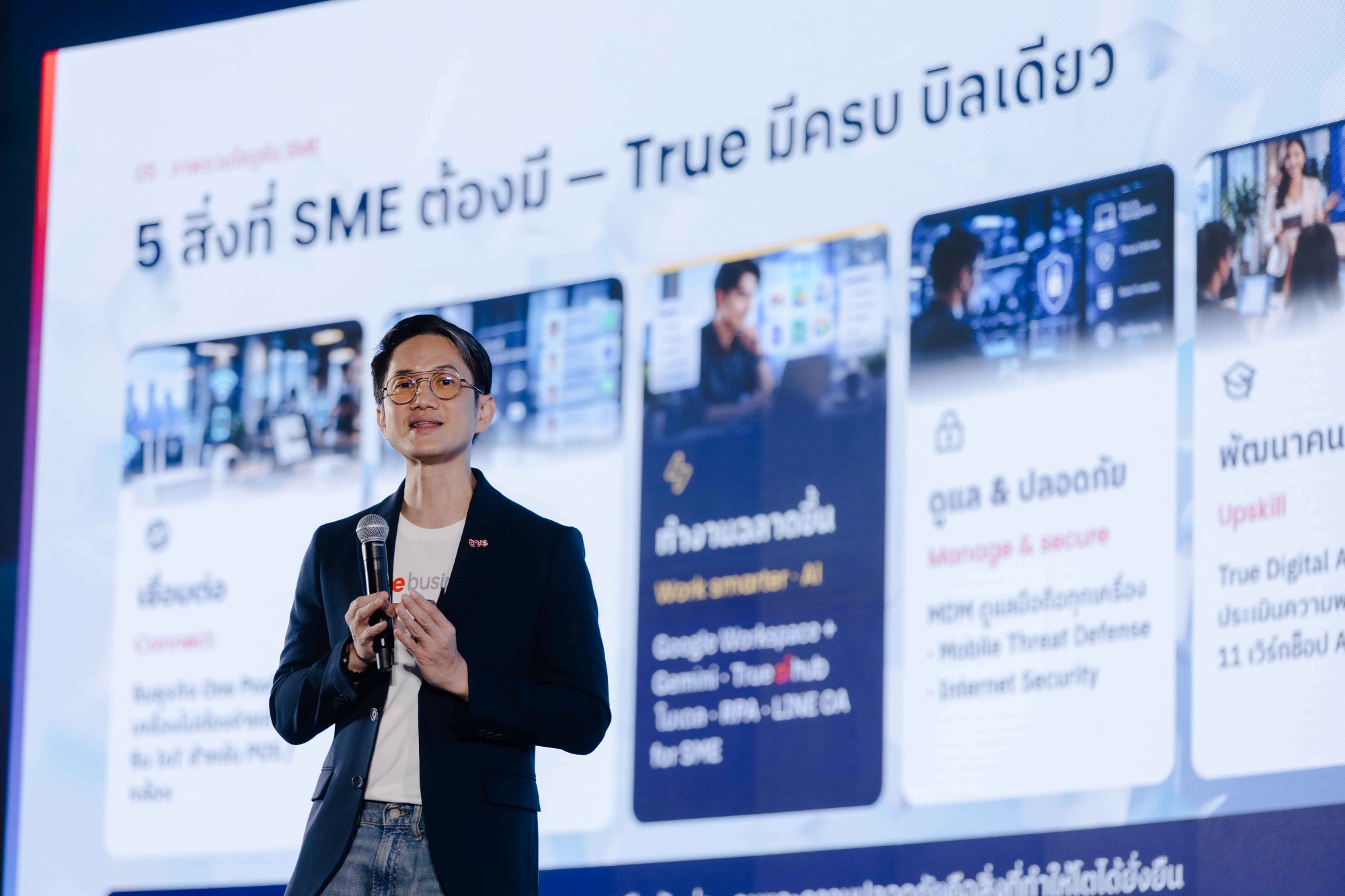
The journey toward becoming an AI-driven organization can begin with simple trial and gradually evolve into integrating AI as a core part of business operations. This includes adopting ready-made tools, connecting AI with business data, building agent and automated workflows, and using data-driven insights to support strategic decision-making.
“Being a small enterprise does not mean thinking small. Today, technology and AI enable small business owners unprecedented opportunities to unlock business potential. The heart of AI transformation lies in breaking down silos and connecting processes seamlessly across the organization. Begin with picking one job, measuring one KPI, and start this week to build a stronger future for Thailand’s economy together.” Dr. Teeradet concluded.