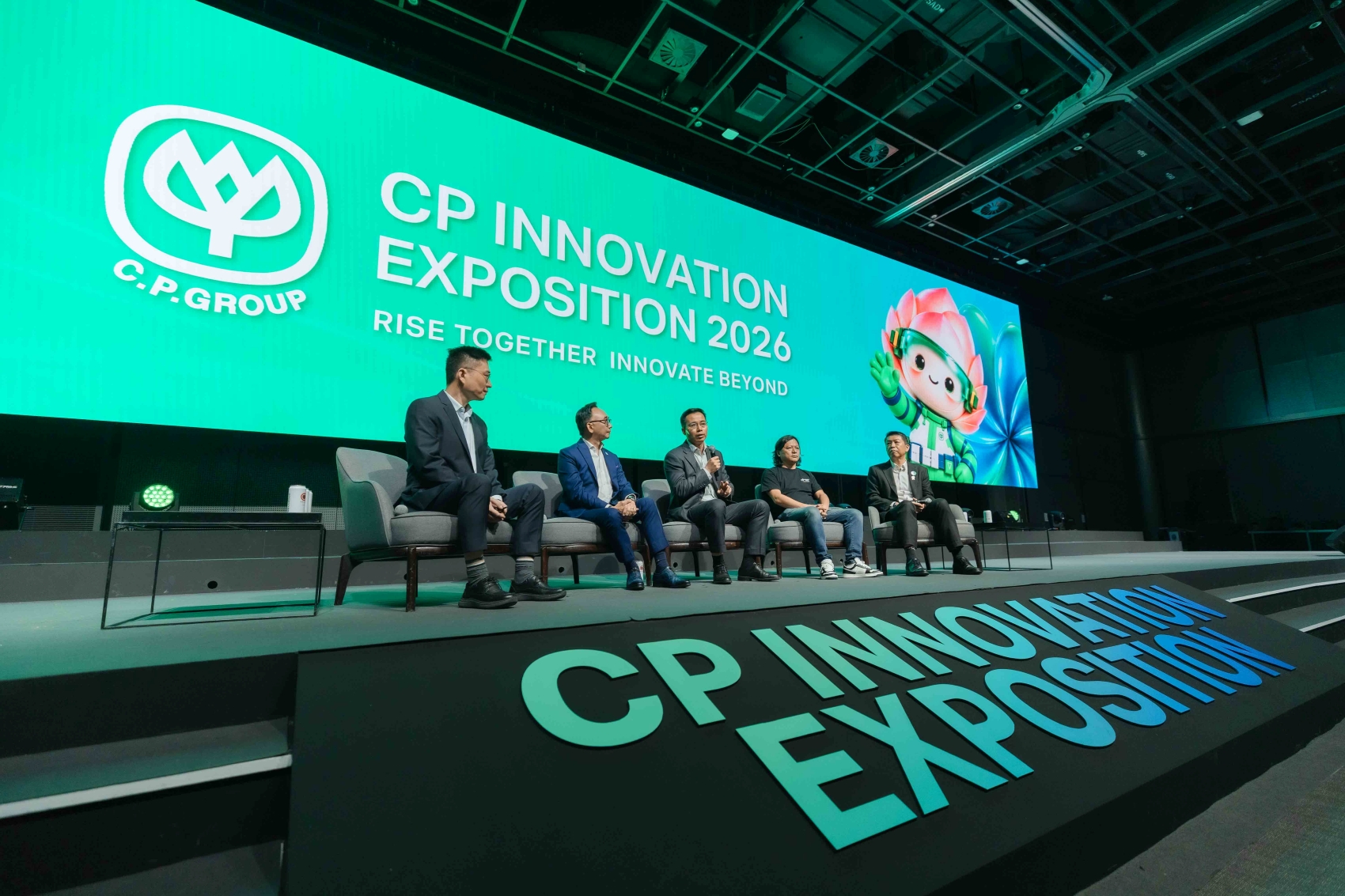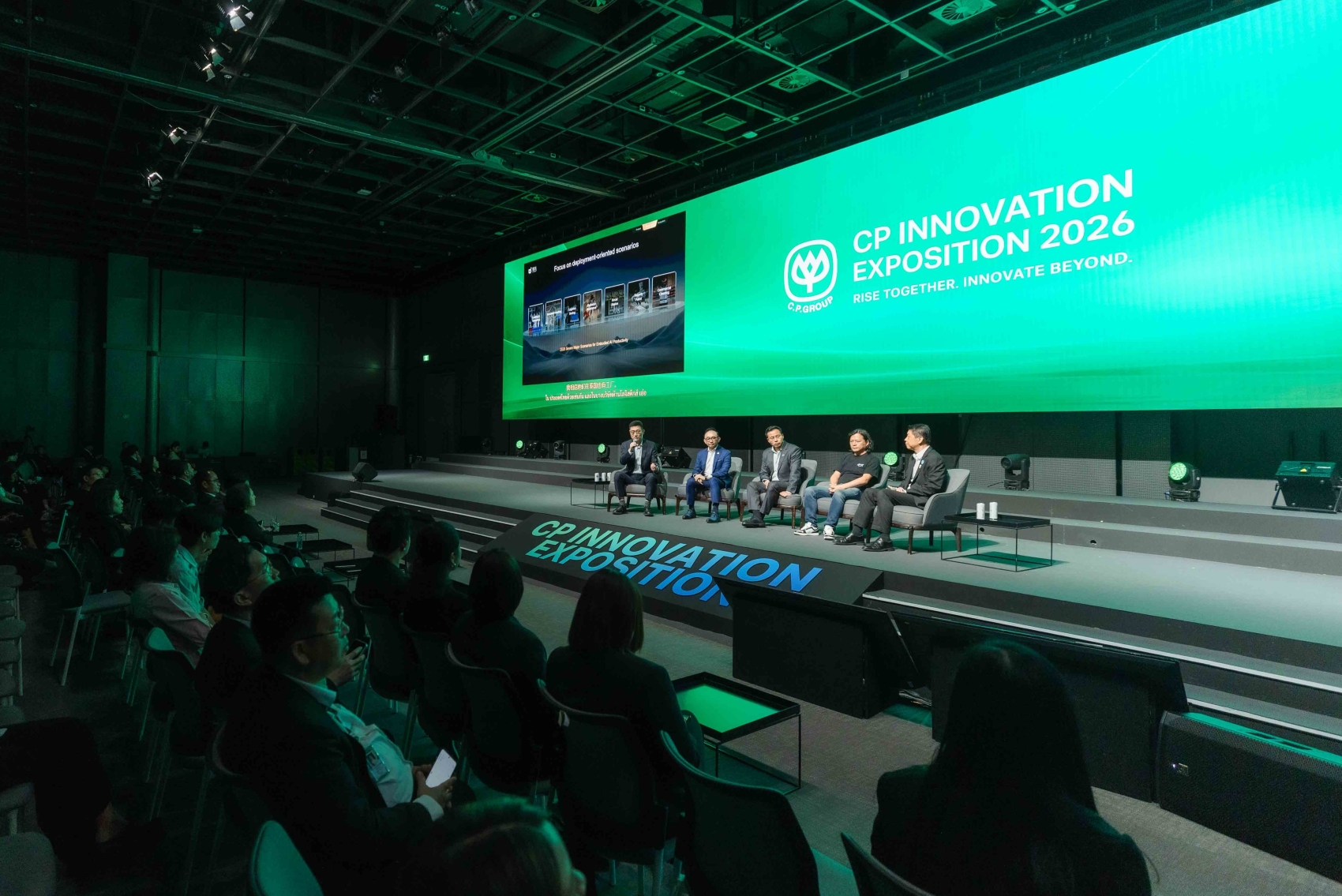



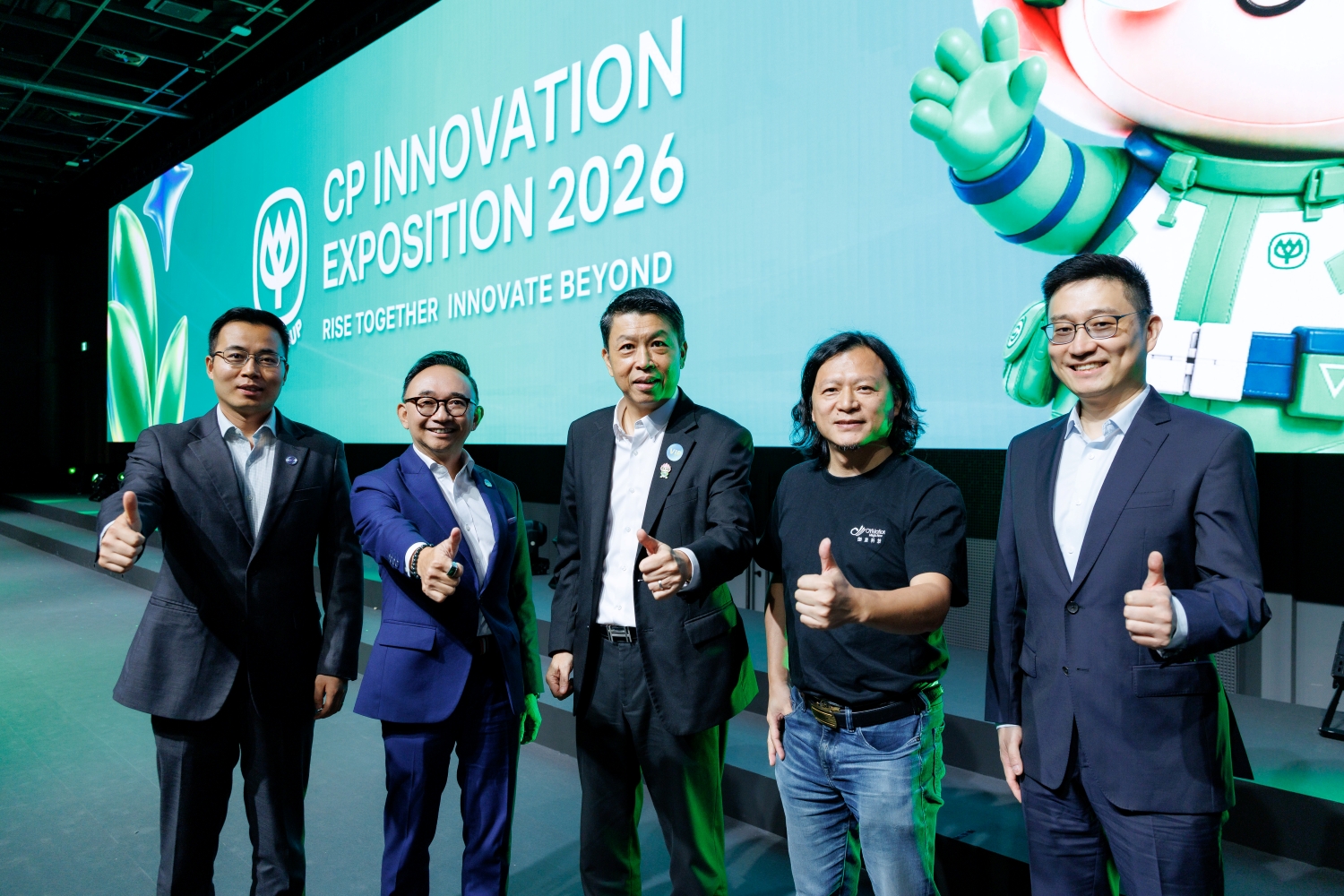

Bangkok, 22 October 2026 – What will the future look like now that “Frontier Tech”, cutting-edge technologies once confined to research laboratories, are ready for real-world commercial applications? CP Group and True Corporation, led by Ekaraj Panjavinin, Head of Research and Innovation at True Corporation Plc, have explored this question at CP Innovation Exposition 2026, bringing together technology partners for a panel discussion entitled “The New Frontier of Technology in Action”. The discussion highlighted developments in four key areas: humanoid robots, low Earth-orbit satellites, neurally-controlled prosthetic limbs and quantum computing. Speakers explored future development, opportunities for adoption across Thailand’s industrial and service sectors, and partnerships to develop local talent, software and intellectual property, all achieved through collaboration with various world-leading technology developers.

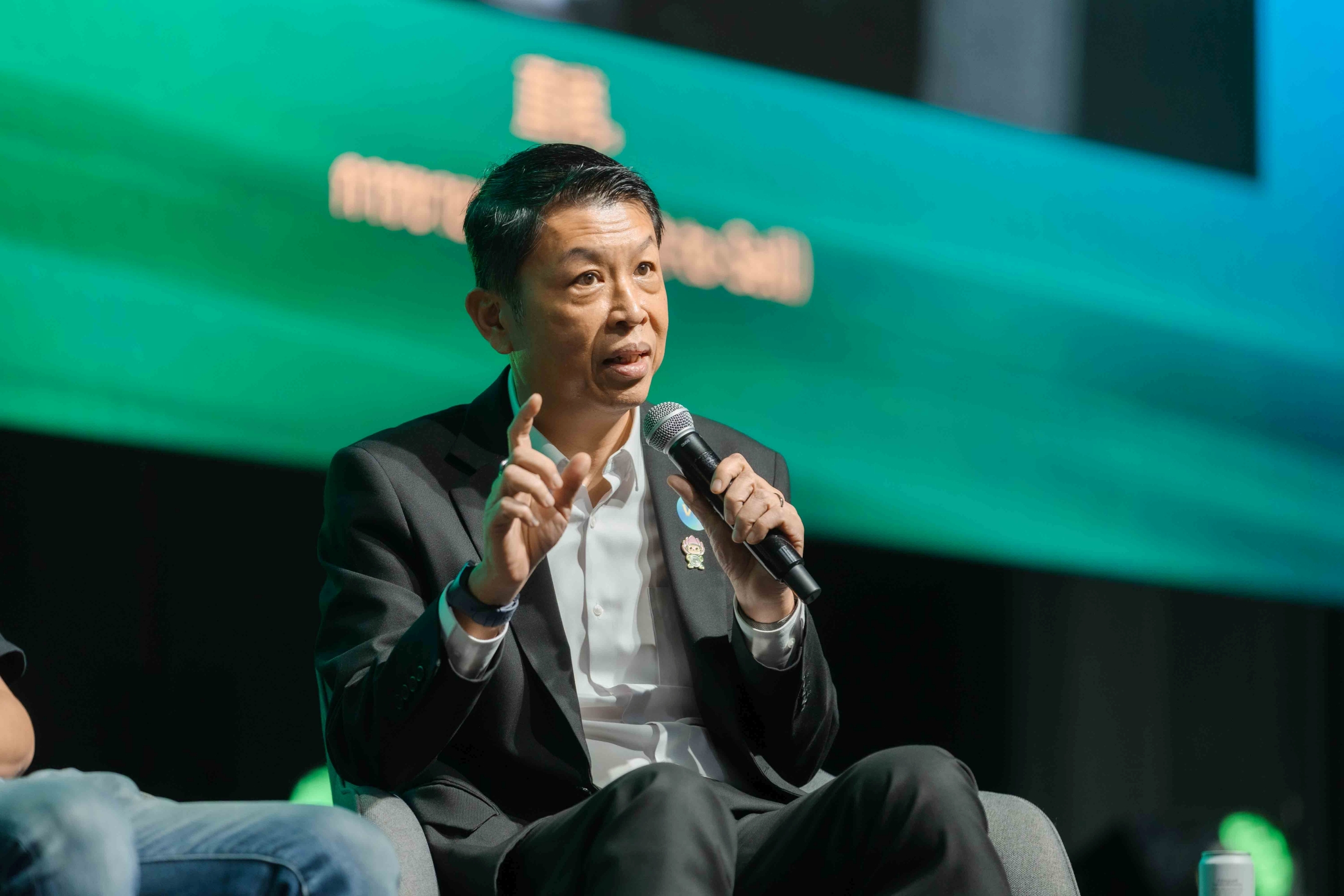
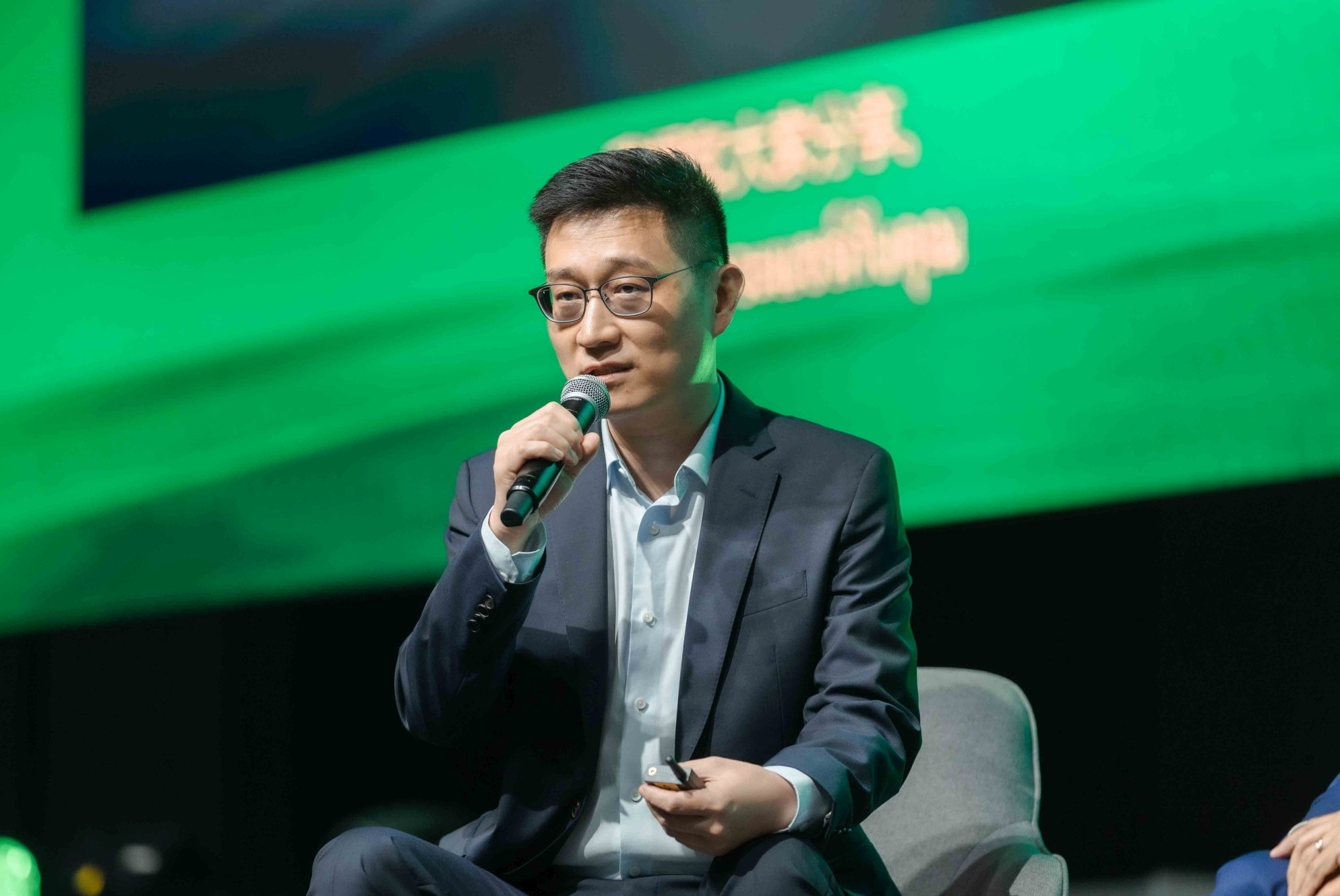
Humanoid Robots: Moving from the Factory Floor to the Service Sector
Kun Huang, Vice President, Asia Pacific & Middle East Region, Agibot, said that Agibot is more than merely a robotics company, but a “Physical AI” company. It focuses on developing three core capabilities: locomotion, object manipulation and interaction, enabling robots to operate in real-world environments and to communicate with people.
The company’s offerings include full-bodied humanoids, wheeled robots and quadrupedal robots. These are already being deployed in electronics and automotive manufacturing as well as in logistics and the service sector, including the use of reception robots that provide information to customers at restaurants and theme parks. Agibot has been expanding the application of its humanoid robots across manufacturing, logistics, retail and entertainment and expects its sales volume in 2026 could reach four to five times the previous year’s level. Over the next three years, Agibot plans to broaden its industrial applications with a goal of collaborating with partners in Thailand to drive the adoption of robotics across the manufacturing, healthcare and service sectors. Huang emphasized the importance of matching robots’ capabilities to the requirements of specific tasks such as handling materials, sorting products or customer service. This alignment will help translate technological capabilities into practical applications in Thailand, thereby facilitating tangible, real-world implementation in Thailand.

Quantum Computing: Integrating AI and the Cloud, unlocking opportunities for Thai organizations
Quantum computing is converging with AI and the hybrid cloud as one of three major technological powerhouses shaping the future. Although quantum computing is still in the early stages of commercial development, Thailand is actively engaging with the technology to conduct research, carry out experiments and to develop skills. Anothai Wettayakorn, Country Manager, IBM Thailand, said IBM continues to advance quantum computing, demonstrating “quantum advantage”, the ability to process certain types of problems that are practically difficult for conventional computers to solve. The company has collaborated with the University of Chicago and has also provided institutions worldwide with access to its quantum systems. In Thailand, Chiang Mai University and Quantum Club Thailand are among those exploring the technology and building expertise. The next major milestone is IBM Quantum Starling project, which aims to develop fault-tolerant quantum computers by 2029. For Thai organizations, access to quantum systems offers opportunities for workforce development and the testing of algorithms. To prepare for high-capability systems in the future, the development of quantum technology in Thailand requires sustained collaboration among the industrial sector, universities, governmental and technology providers. By focusing on real national challenges, these partnerships can support the development of Thai expertise, algorithms, software and intellectual property.
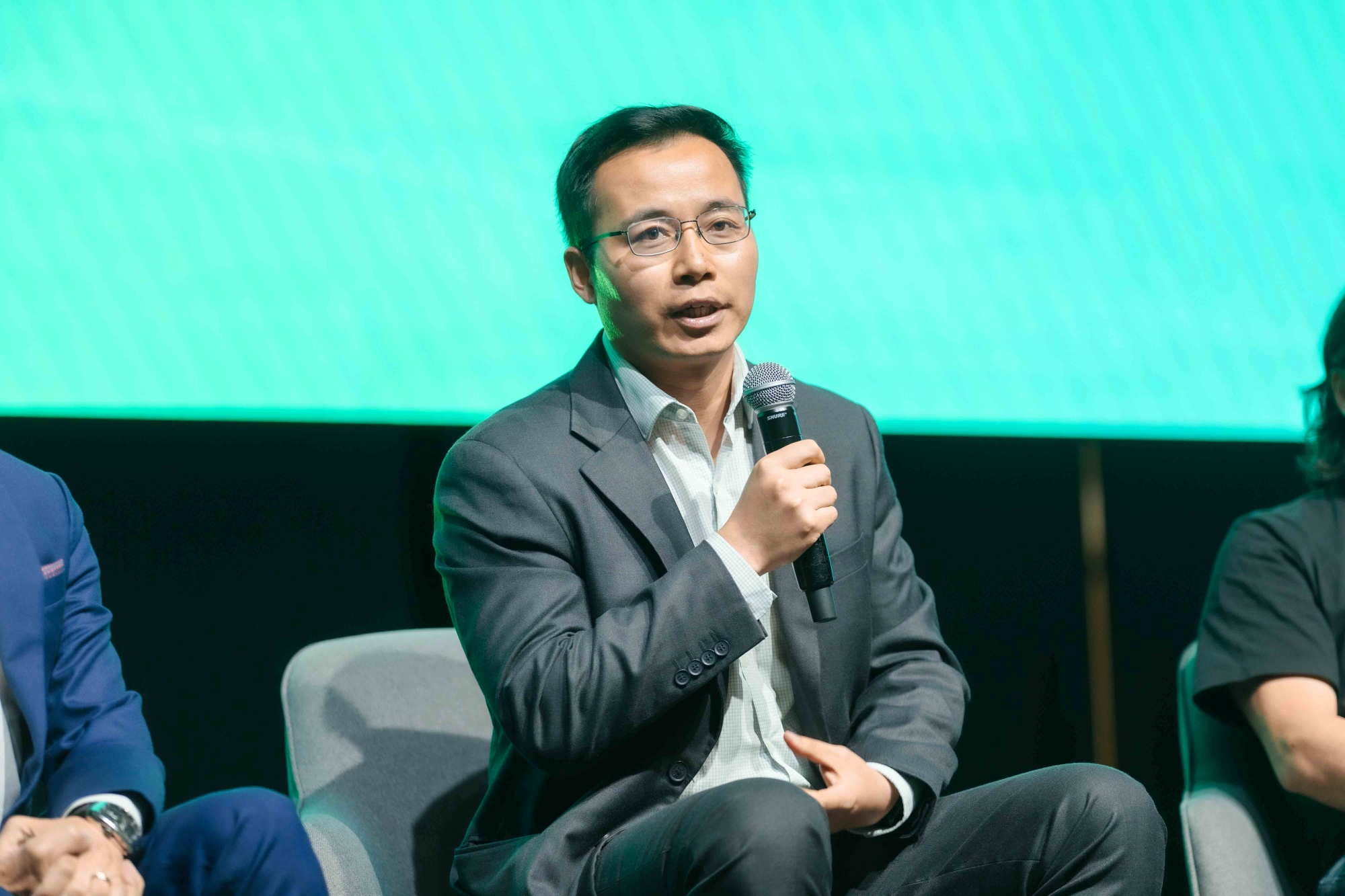
Low Earth Orbit Satellites: Enhancing communications and, Earth observation to expand services in Thailand
Peter Huang, International VP at Galaxy Space stated that satellite technology is expanding its role by bringing together broadband communications, Earth observation and computing in space. Galaxy Space has already launched more than 50 satellites into orbit. Its Earth observation capabilities enable monitoring during both day and night. This capability is particularly useful in tropical countries like Thailand even under cloudy or rainy conditions for applications such as flood monitoring, crop management, agricultural planning and disaster response. Meanwhile, satellite-based broadband services provide connectivity to remote areas, as well as to ships and aircraft. In 2026, Galaxy Space successfully tested and validated its direct-to-cell technology, which enables standard smartphones to connect directly to satellites without requiring any hardware modifications. This development marks another step towards extending communications beyond the coverage of terrestrial networks. It is anticipated that over the next three years, the company expects satellite-based communication, Earth observation and data processing will become increasingly integrated within the same satellite constellations with satellites serving as an integral component of 6G infrastructure. Galaxy Space has already partnered with True and Mahanakorn University of Technology to develop engineers and application platforms in Thailand, including solutions for flood forecasting and wildfire monitoring. Regarding applications in Thailand such as flood forecasting and wildfire monitoring, Mr Huang exphasized that “Thailand should move from being a buyer to becoming a provider of satellite solutions.” Opportunities for Thai organizations lie in leveraging environmental data and satellite connectivity to offer services, particularly in sectors such as agriculture, disaster management and for businesses operating on islands or in remote locations.
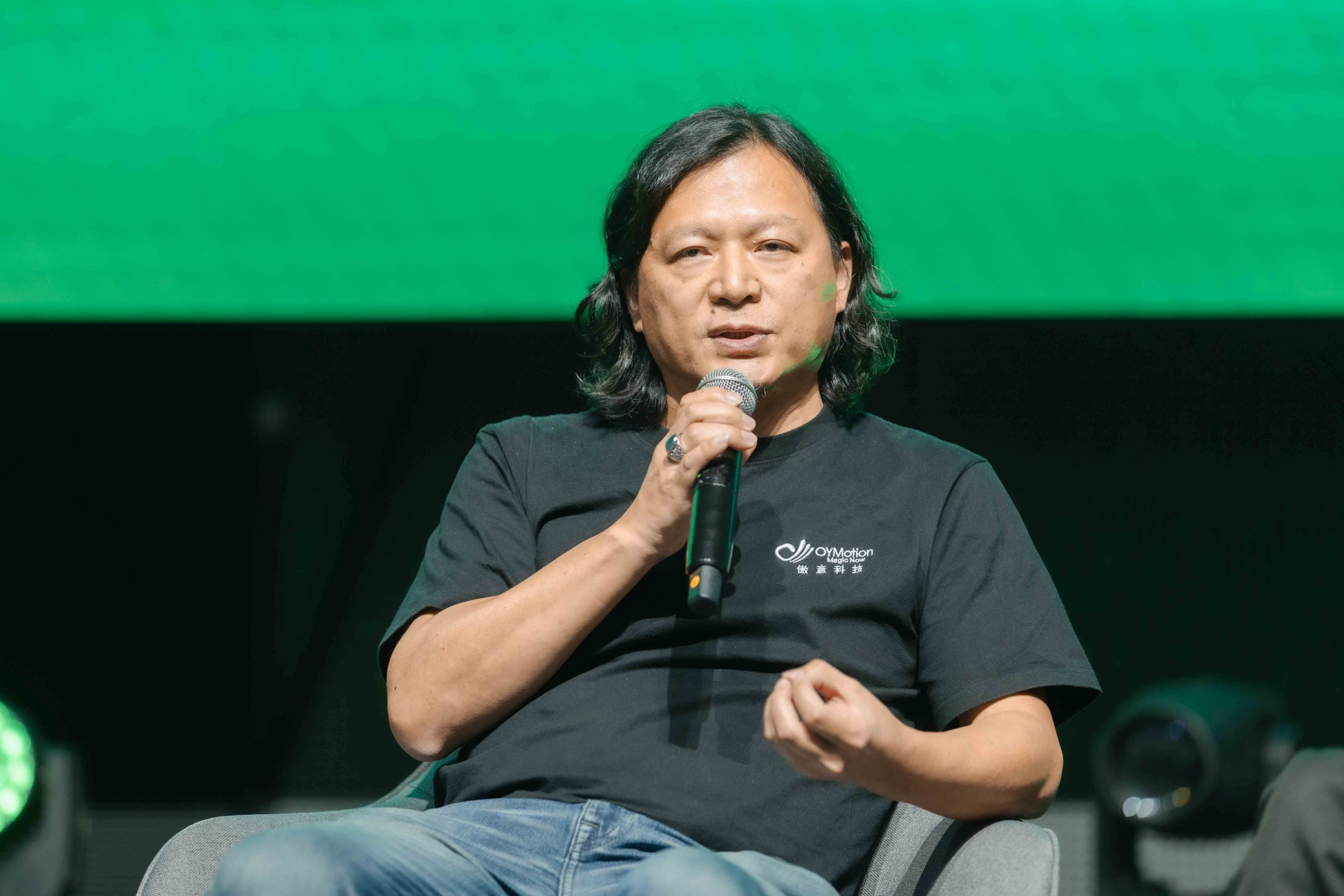
Neuro AI Tech decodes neural signals, enhancing rehabilitation for patients.
AI is opening new possibilities in neurotechnology by decoding neural signals through non-invasive sensors, giving users greater independent control over movements of prosthetic limbs such individual fingers with greater freedom. Hualiang Ni, CEO & Founder, OYMotion, said the company develops neural interface technology designed to transmit signals from the human nervous system to control prosthetic limbs and robotic rehabilitation devices. This year, the company has made significant progress, enabling an employee who had experienced limb loss to control individual prosthetic fingers in real time. This marks an advance over previous systems which relied on recognizing specific, predefined gestures such as clenching or unclenching the fist. Now it uses programmed movement data combined with AI models to decode neural signals to enable more continuous and precise control of individual fingers. The technology uses non-invasive sensors, requiring no surgery or devices to be implanted inside the body. To date, OYMotion has helped more than 3,000 people with limb loss regain greater mobility in their daily lives through the use of robotic hands or limbs. Furthermore, the company integrates neural signal sensors, AI, and robotics into stroke rehabilitation, helping to retrain the neural systems responsible for movement, to improve mobility and everyday functioning. Over the next three years, OYMotion aims to advance its technology to create bionic hands and limbs that offer a more precise and fluid movement, all without requiring surgically implanted brain devices. In the context of Thailand, this technology can be applied to the development of prosthetic devices and the rehabilitation of stroke patients through collaboration between technology developers, healthcare facilities, and specialists in rehabilitation medicine.