



In an era when technology drives every aspect of life, innovation is not created solely for technological advancement. It is also an important tool for solving business challenges and creating meaning in people’s lives.
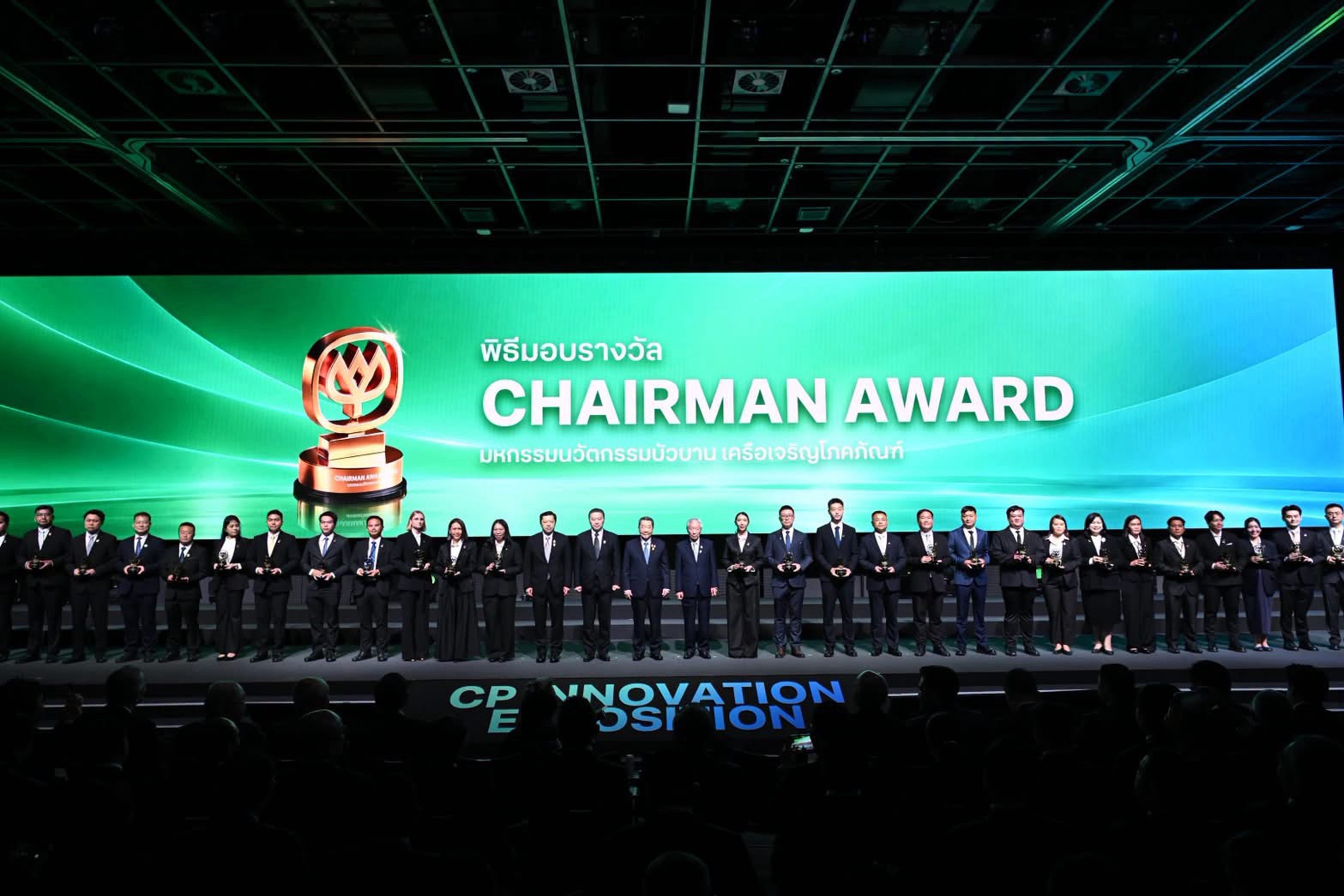
At CP Innovation Exposition 2026, held under the theme “RISE TOGETHER, INNOVATE BEYOND,” 319 innovations were submitted by employees of the Charoen Pokphand Group worldwide. Of these, 90 innovations were selected for exhibition, while a number of outstanding projects received the event’s highest honor, the Chairman Award.
Among this year’s award-winning projects were four innovations created by True’s innovation teams. Although they began with different challenges, they shared the same goal: identifying problems and applying knowledge, experience, and technology to experiment with solutions until they became innovations that could be put into practical use. This reflects True’s organizational culture and its belief that “Everyone Can Be an Innovator.”
Smart Camera Innovation: Physical Artificial Intelligence Technology
Today, surveillance cameras have become standard equipment in businesses. The major challenge is therefore no longer simply recording events, but using vast amounts of image and video data for analysis and further development to improve work processes. This led to the development of Smart Camera, a Physical AI innovation that elevates surveillance cameras from “seeing” to “taking action.”
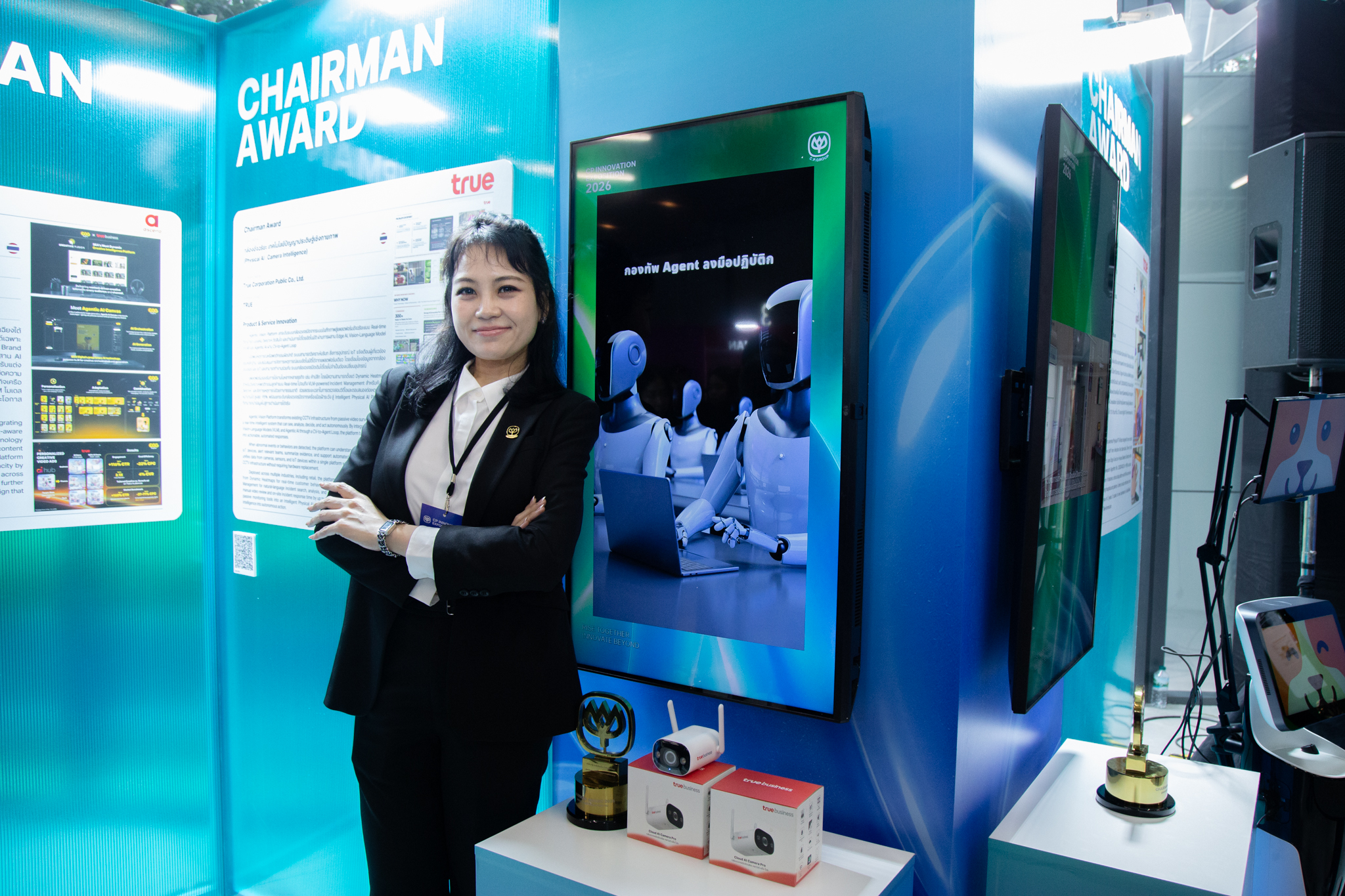
“The challenge we encountered was that customers wanted to know how they could use basic data they already had, such as the number of people entering an area, to manage their operations or develop further applications. Our team therefore asked what kind of solution could enable cameras to see, understand the events in front of them, and take action to benefit customers’ businesses,” said Savitree Hongvihock, one of the team’s innovators, describing the initial challenge.
The innovation team developed a platform that integrates images and videos from surveillance cameras with AI to read, analyze, and understand camera footage, while connecting detected events to work processes in real time. The system therefore does more than detect and send alerts. It can also forward information, track actions, coordinate work, and check statuses automatically.
“For example, in the retail business, if AI detects more than five customers waiting in line, the system will send an alert to the branch to open an additional checkout counter. However, if no action is taken within five minutes, the system will send another alert to the next level of responsible personnel. If the situation is resolved, the system can automatically close the case,” Savitree explained, illustrating how the system works.
Through working with customers across various businesses, the innovation team has collected different use cases in an AI Library, which can be adapted to more than 300 usage scenarios. These applications have not only helped improve work processes but have also helped reduce interpersonal conflicts and demonstrated care for all lives.
“We recently implemented the system in a residential housing project to monitor vehicles parked in obstructive areas. Previously, security guards had to take photographs and notify residents. Now, the system can automatically record information and send notifications, reducing confrontations that could lead to conflicts. During recent flooding, the cameras and system were also able to detect pets that had wandered away from their homes,” Savitree shared examples from actual operations.
Moving forward, the innovation team plans to develop additional features to continue improving customer experiences across various businesses.
“When we see customers actually using this innovation in their work processes and benefiting from it, we feel that our work has been meaningful and that what we have created truly provides value to customers,” Savitree concluded.
CORGI: An Intelligent Physical Therapy Assistant Innovation
Physical rehabilitation is a process that requires continuity and close supervision. However, for patients with infectious diseases such as tuberculosis, providing physical therapy may increase the risks faced by medical personnel, whose numbers are already limited.
This challenge marked the beginning of CORGI, a robotic assistant for medical care and physical rehabilitation, developed by True Innovation Center in collaboration with King Chulalongkorn Memorial Hospital, the Thai Red Cross Society, and the Faculty of Medicine, Chulalongkorn University. The project aims to support physical rehabilitation for tuberculosis patients after surgery by integrating Robotics, AI Vision, Edge Computing, and Telemedicine.
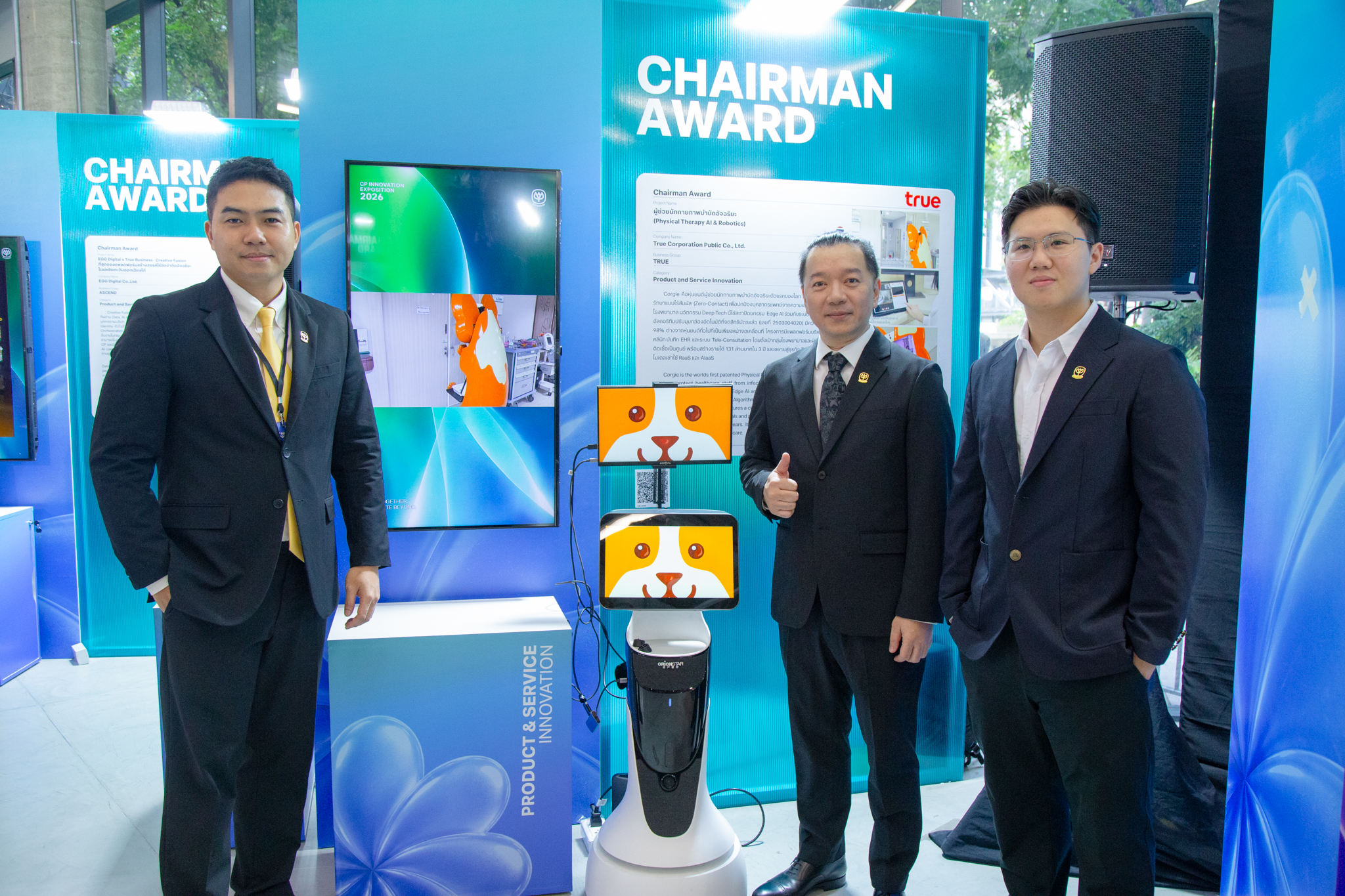
Suriya Konkham, Project Manager, previously led the development of “HAPPY,” a robot designed to assist in the treatment of thyroid cancer patients with radioactive iodine, which received the Chairman Award in 2025. Suriya explained that although both projects involve robots, their challenges are completely different, requiring the team to develop entirely new algorithms from scratch.
“This time, our goal was to reduce contact between medical personnel and patients to zero. We therefore began by conducting Design Thinking with all relevant personnel, which ultimately resulted in three key features. The first is Telerehabilitation, or remote physical therapy. The second is Zero-Contact Delivery for transporting food and medicine. The third is Automated Personalized EHR, which automatically records individual electronic health records. These functions are integrated into CORGI, a physical therapy robot with a friendly dog-like appearance, designed by the Department of Industrial Design at Chulalongkorn University,” Suriya explained.
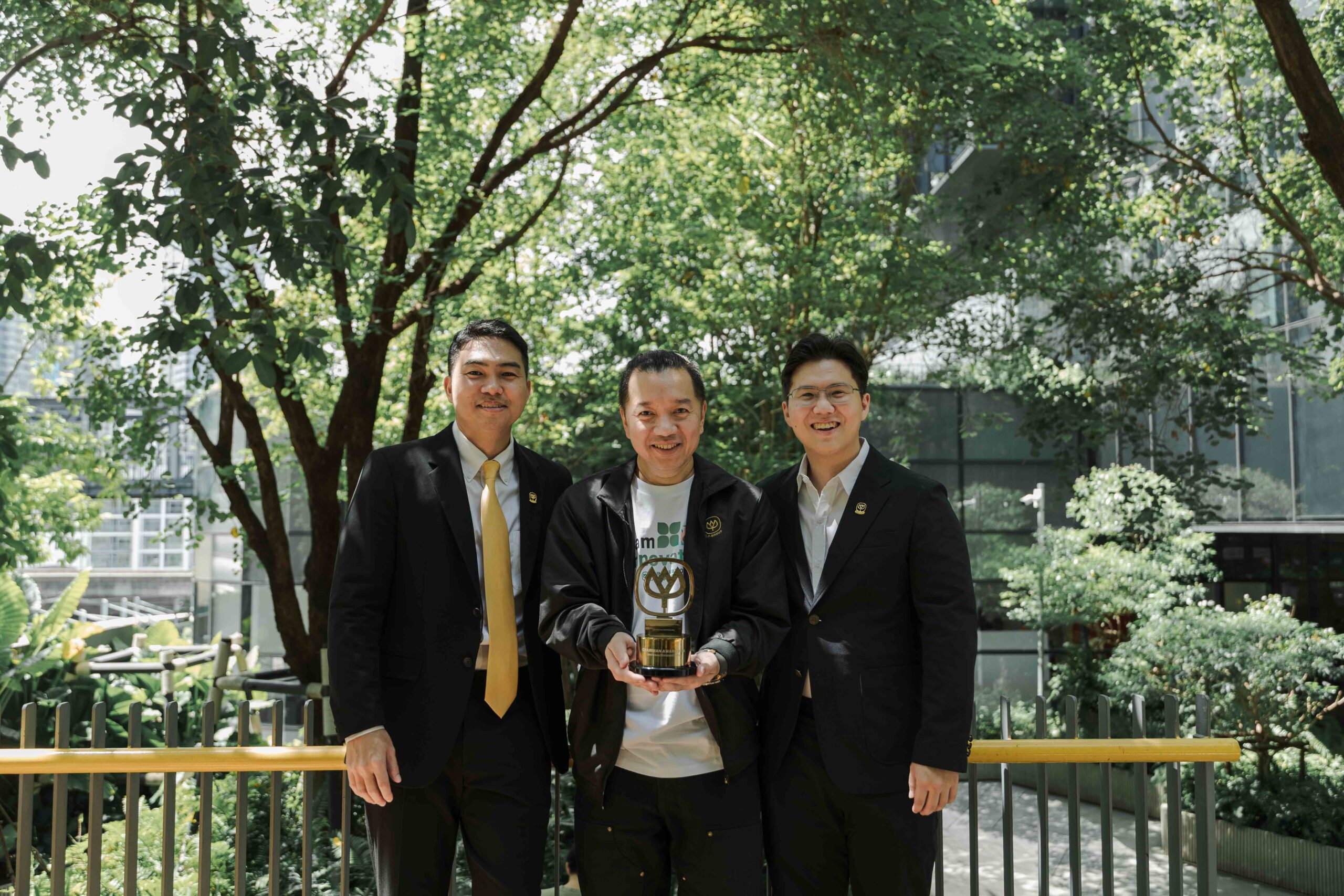
Meanwhile, Narongrit Phoonsapjarern, Project Leader, further explained how the system works.
“The team has been committed to developing an AI innovation called ‘Autonomous Viewpoint Optimization’ to improve the accuracy and efficiency of physical rehabilitation assessment and monitoring. This technology enables CORGI to move and automatically adjust its camera angles.”
Behind CORGI’s operation is the concept of the Human Expertise Model, which combines the knowledge and experience of specialists with an AI system, while the robot serves as the component that puts the technology into practical use. This approach can also be extended to other applications in the future, expanding its benefits to a wider range of patients.
“An intellectual property (IP) registration application has already been filed for this innovation. This is an important component supporting the future development of the Medical AI Platform, which will serve as a centralized platform for Thailand’s specialized medical knowledge in the near future,” Narongrit concluded.
EnergySense: AI Innovation for Telecommunications Network Energy Management
Behind the communication signals people use in their daily lives is a large amount of electricity powering base stations across the country. As mobile usage increases, networks require more energy to support growing data transmission. This challenge has led True’s Network innovation team to find ways to manage energy more efficiently while maintaining signal quality for customers.
“In the past, the company used equipment from multiple vendors, each with separate energy management solutions. As a result, these systems could not fully coordinate with one another. Our team therefore began developing our own solution, using the AI and Machine Learning capabilities of our team members to manage energy consumption at telecommunications base stations,” said Weratuch Witoonchart, Project Leader of the EnergySense team, describing the project’s origins.
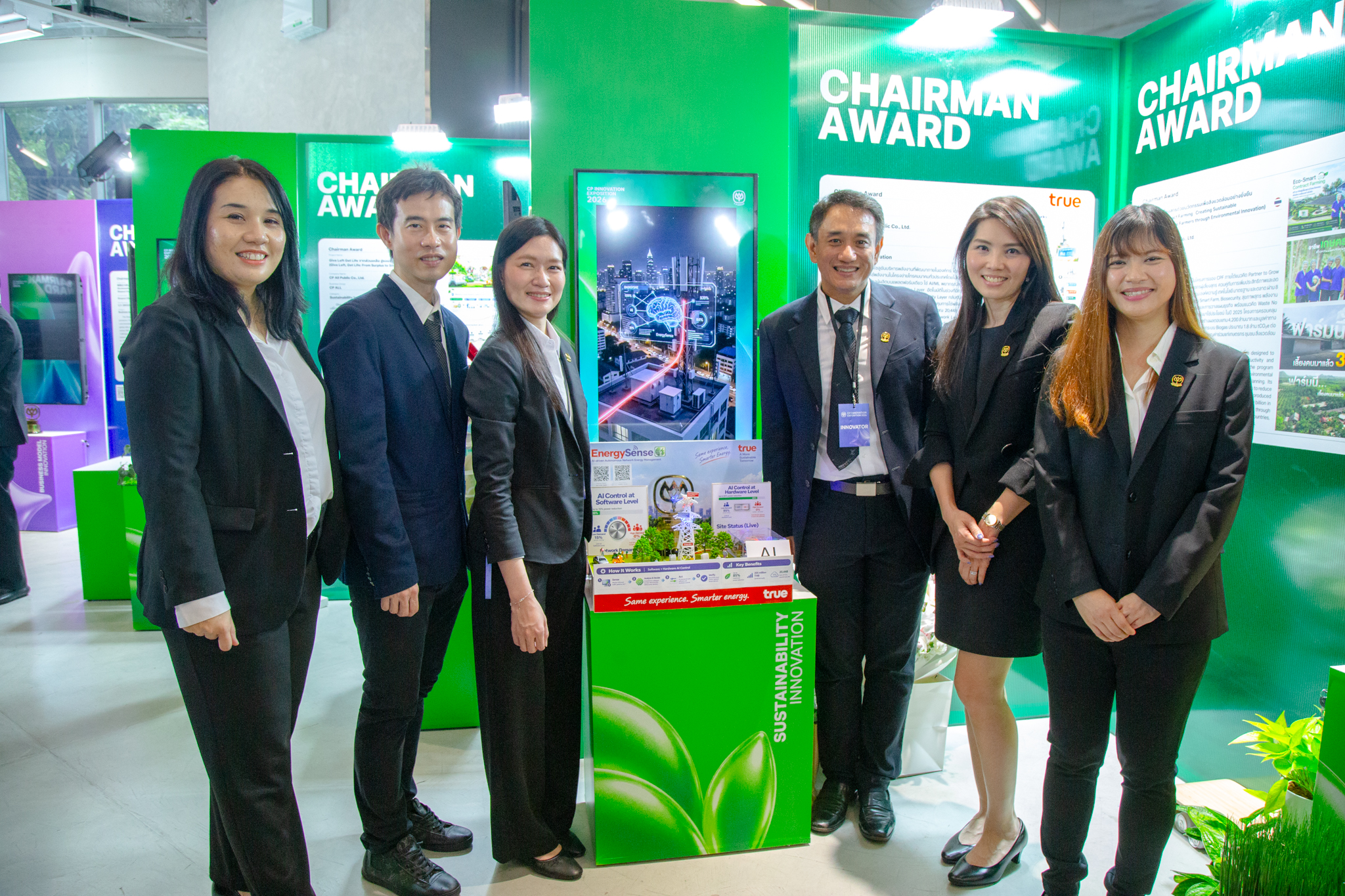
EnergySense is an AI innovation for telecommunications network energy management, developed from GENIE: Green Energy Network IntelligencE, which received the Chairman Award in 2025 and achieved Autonomous Network Level 4 certification from TM Forum in the RAN Energy Efficiency Optimization category.
“We initially developed GENIE, which uses AI and Machine Learning to analyze and predict network traffic volumes. This information is then used to manage the operation of frequency bands in line with usage demand. This year, the team introduced EnergySense, which integrates IoT technology with AI and Machine Learning systems, adding the capability to directly control energy consumption at the hardware level in base stations.”
EnergySense has now begun to be used for energy management at the equipment level. Its implementation requires consideration of the suitability of each base station and different usage periods to save energy without affecting equipment performance, network performance, or the quality of service customers receive.
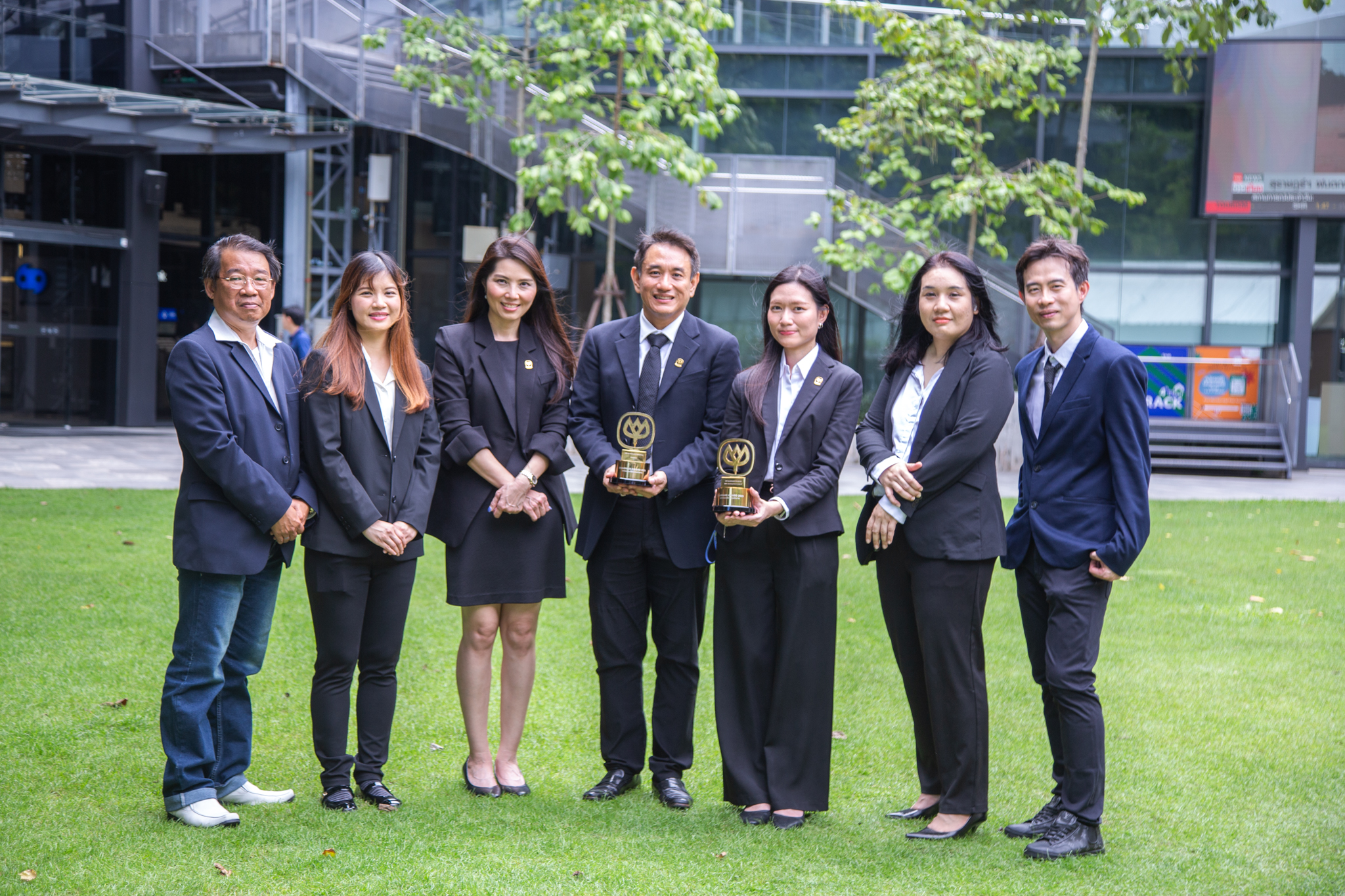
“The challenge is to strike a balance between network performance, service quality, and the most efficient use of energy, because our goal is not simply to reduce energy consumption and costs,” Weratuch emphasized.
Meanwhile, the innovation team continues to explore new technologies for further development. One approach currently under study is Quantum Computing, which may help increase the ability to calculate and analyze complex variables to identify additional energy-saving opportunities without affecting signal quality, while delivering the best possible customer experience.
Wong-WAI: An AI Platform for Corporate Reputation Risk Management
A single online post can quickly become an issue that affects an organization’s reputation. At the same time, the enormous volume of negative information from online media and social media makes monitoring and reviewing messages manually a challenge.
In response to this problem, True’s innovation team responsible for crisis management began developing an automated system to filter messages that could pose risks to the organization’s reputation. The system was later enhanced with AI as technology became capable of supporting more complex tasks, eventually becoming Wong-WAI, Thailand’s first AI platform for corporate reputation risk management.
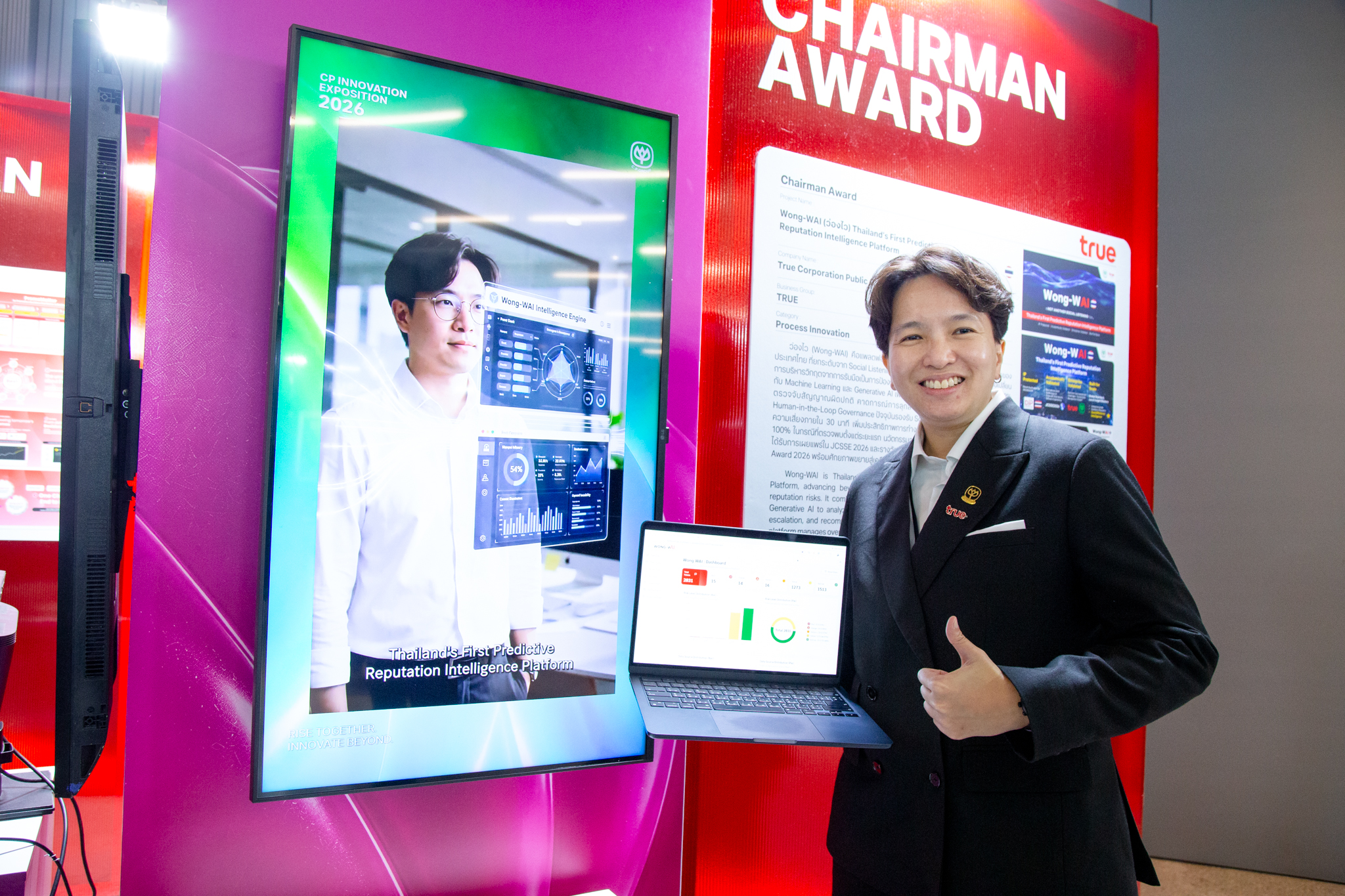
“Our team has been developing innovations to address this work since 2019. We started with a Rule-based system, using rules designed by the team to analyze messages from Social Listening, including sentiment, context, and the issues being discussed, with the process relying mainly on human resources. In 2024, the team received support from True Lab to develop the system more seriously by integrating AI with the existing rules,” said Thitirat Sirivorachodphokin, Project Leader of the Wong-WAI team, describing the project’s beginnings and her collaboration with Chirun Withanwattana.
During the system development process, True’s innovation team collaborated with King Mongkut’s Institute of Technology Ladkrabang and BOTNOI Group, a startup specializing in AI and Data Science, which contributed expertise in systems engineering. By applying AI and Machine Learning to the analysis process, the system became capable of interpreting language more accurately and understanding the context of messages, including the sentiment of those posting and the issues being discussed.
“Wong-WAI’s key strength is its use of AI and Machine Learning to analyze Social Listening data together with a Rule-based system to assess risks based on engagement trends and the growth of issues online. The system sends alerts to relevant departments so they can monitor situations and prepare timely responses. It also includes features that suggest initial communication approaches, such as drafting PR Statements according to the type of incident, helping teams work more quickly,” Thitirat explained.
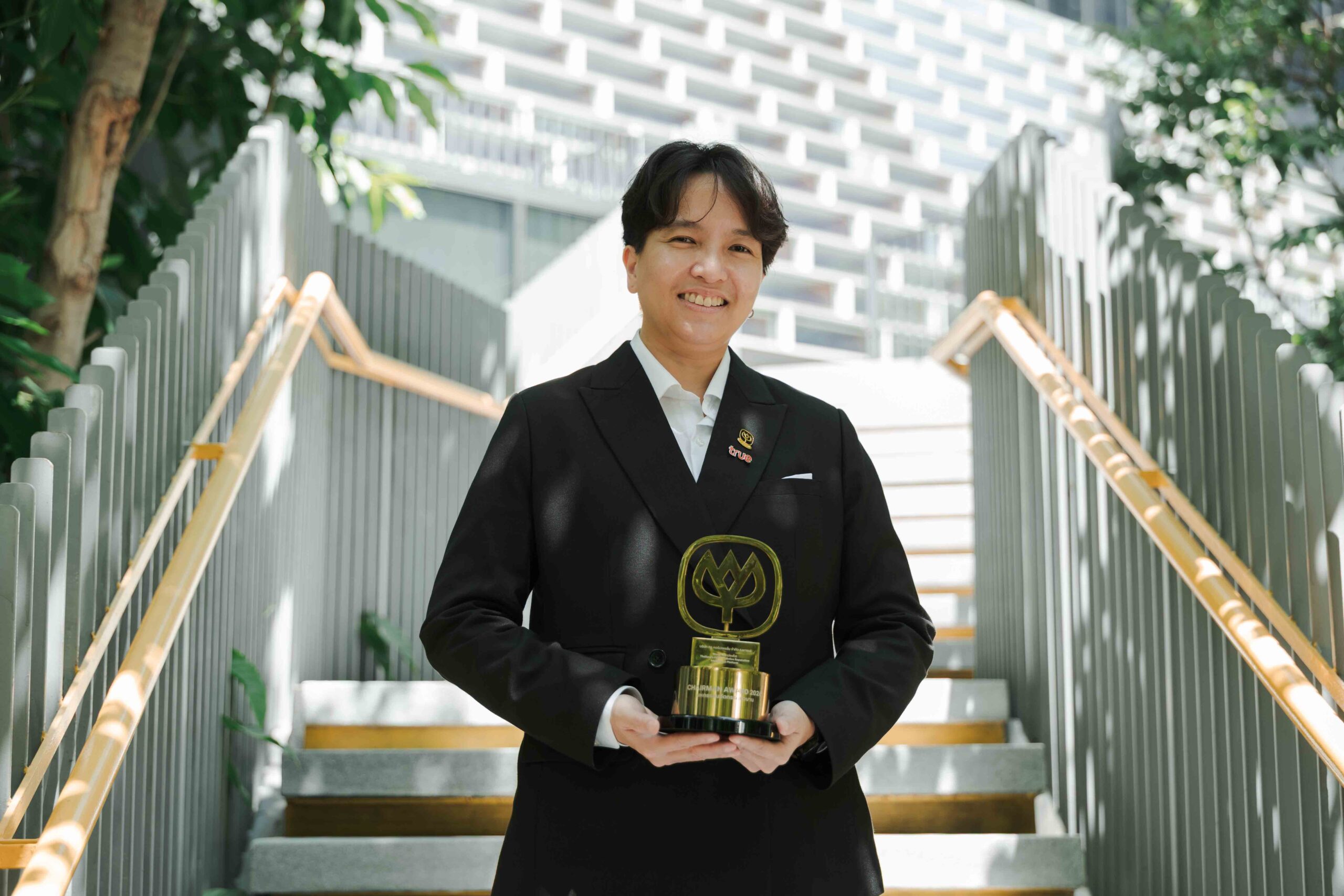
Continuous system development has led to intellectual property (IP) filings and the publication of research internationally.
“We hope that in the future, Wong-WAI can be further developed to help filter fake news and information that may be harmful to children and young people, expanding its role in monitoring online risks in ways that provide greater benefits to society,” Thitirat said of the project’s future direction.
The stories of these four innovations from True demonstrate the power of people who apply their expertise to create new solutions, enabling technology not only to drive the organization forward but also to create sustainable value for people and society.